

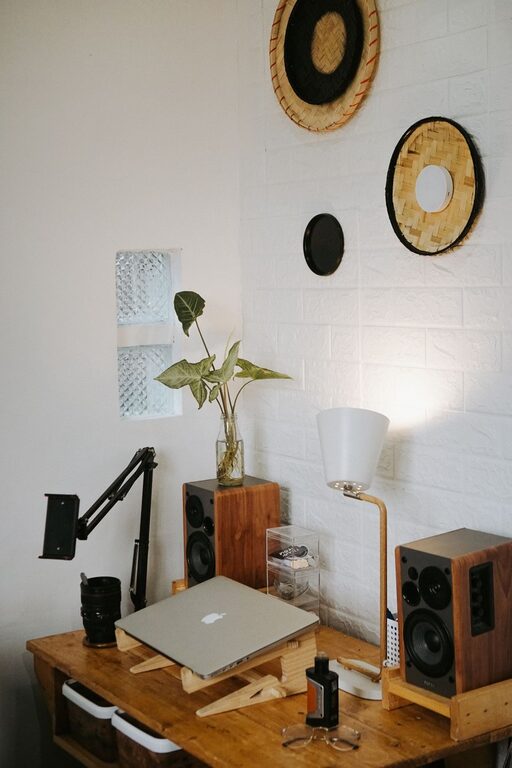
Creating a productive home office space is essential for anyone working from home or managing projects remotely. A well-designed workspace can help you stay focused, reduce stress, and maintain a healthy work-life balance. Whether you have a dedicated room or a corner in your living area, the following tips will guide you in making your home office both comfortable and efficient.
Choose the Right Location
Selecting the right spot for your home office is the first step toward productivity. Ideally, pick a quiet area with minimal distractions and enough natural light. Avoid high-traffic zones in your house, like near the kitchen or TV, where interruptions are more likely.
If space is limited, consider using room dividers or screens to create a sense of separation. Even a small nook can be transformed into an effective workspace with the right setup.
Invest in Ergonomic Furniture
Comfort plays a vital role in productivity. An ergonomic chair and desk support good posture and prevent discomfort during long working hours.
– Chair: Look for adjustable height, lumbar support, and comfortable cushioning.
– Desk: Choose a desk that fits your space and allows you to work without strain. Standing desks or adjustable ones offer flexibility.
– Accessories: A footrest, wrist supports, and monitor stands can improve ergonomics further.
Taking care of your body helps you focus longer and reduces the risk of aches and injuries.
Organize Your Workspace
Clutter can distract and reduce your efficiency. Keeping your work area tidy and organized makes it easier to find what you need and stay on task.
– Use desk organizers or trays for pens, papers, and other essentials.
– Keep cables neat with clips or cable management boxes.
– Store documents electronically when possible to minimize physical clutter.
– Regularly clean and declutter your space.
An organized environment promotes mental clarity and a smoother workflow.
Optimize Lighting
Good lighting is often overlooked but is crucial for comfort and productivity. Natural light is ideal because it helps regulate your body clock and can enhance mood.
– Position your desk near a window if possible.
– Use adjustable blinds or curtains to reduce glare.
– Supplement with a quality desk lamp that provides bright, even light.
– Avoid harsh overhead fluorescents.
Proper lighting reduces eye strain and keeps you energized throughout the day.
Minimize Distractions
Maintaining focus in a home environment can be challenging. Identify potential distractions and find ways to minimize them.
– Turn off non-essential notifications on your phone and computer.
– Use noise-cancelling headphones or play ambient sounds if background noise is an issue.
– Communicate your work schedule with family or housemates to limit interruptions.
– Set clear boundaries, such as specific work hours and breaks.
Creating a workspace that signals productivity helps cultivate a professional mindset.
Personalize Your Space
A workspace that reflects your personality can boost motivation and make your time more enjoyable. Add elements that inspire you while keeping the environment professional.
– Decorate with artwork, plants, or photos.
– Choose colors that promote focus and calmness, like blues or greens.
– Incorporate items that improve air quality, such as small plants.
– Use inspiring quotes or vision boards to remind yourself of goals.
Balancing personalization and function enhances your connection to your workspace.
Set Up Technology Efficiently
Reliable tech is essential for most home office tasks.
– Have a fast and stable internet connection.
– Invest in quality peripherals like a comfortable keyboard and mouse.
– Set up a printer or scanner if necessary.
– Use docking stations or hubs to keep devices connected neatly.
– Regularly update software to keep your system running smoothly.
An efficient tech setup reduces interruptions and supports your daily workflow.
Establish a Routine and Take Breaks
Beyond physical space, productivity is supported by establishing good habits.
– Set specific start and end times for your workday.
– Plan short breaks to rest your eyes, stretch, and refresh.
– Use techniques like the Pomodoro method to maintain focus.
– Avoid working from bed or couch to separate work time from rest.
A routine creates structure and helps you manage your energy throughout the day.
—
Creating a productive home office does not require a large budget or elaborate renovations. By focusing on comfort, organization, lighting, and routine, you can build a space that enhances your work efficiency and overall well-being. Start small, adjust as you go, and enjoy the benefits of a workspace designed for success.