

Creating a home office that strikes the perfect balance between cozy and productive can transform your work-from-home experience. Whether you’re working remotely full-time or just need a dedicated spot for personal projects, your workspace should inspire focus and comfort. Here are some practical tips to help you design a home office that looks inviting while boosting your productivity.
Choose the Right Location
Selecting the ideal spot for your home office is the first step. Ideally, pick a quiet area with minimal foot traffic to reduce distractions. If possible, choose a space with natural light—near a window or in a room that gets plenty of daylight. This not only brightens your space but can improve mood and focus.
If space is limited, consider creative solutions like a nook in your living room, a corner of your bedroom, or even a small section of the kitchen. The key is to have a clearly defined area dedicated just for work.
Invest in Comfortable, Ergonomic Furniture
Comfort is essential for long hours of work. A supportive office chair with adjustable height and good lumbar support helps prevent back and neck strain. Pair this with a desk at the right height to maintain proper posture—your arms should rest comfortably at a 90-degree angle while typing.
If a traditional desk doesn’t fit your space, try alternatives like a standing desk, a foldable table, or even a sturdy laptop stand used on a dining table. Ergonomic accessories such as keyboard trays, footrests, or monitor risers can also enhance comfort.
Use Effective Lighting
Good lighting reduces eye strain and sets the tone for a cozy workspace. Combine natural light with well-placed artificial lighting. A desk lamp with adjustable brightness gives control over task lighting when working late.
Avoid harsh overhead lights. Instead, opt for warm, soft lighting that creates a relaxing atmosphere. Adding string lights or a small floor lamp can add personality and warmth without overwhelming the space.
Keep Your Space Organized
Clutter can lead to stress and reduce productivity. Use storage solutions like shelves, filing cabinets, baskets, and drawer organizers to keep supplies neat and accessible. Label storage containers to easily find items when needed.
Set up your desk with only essential items to maintain a clean surface. Regularly declutter to prevent piles of papers or unused gadgets from accumulating.
Personalize Without Overdoing It
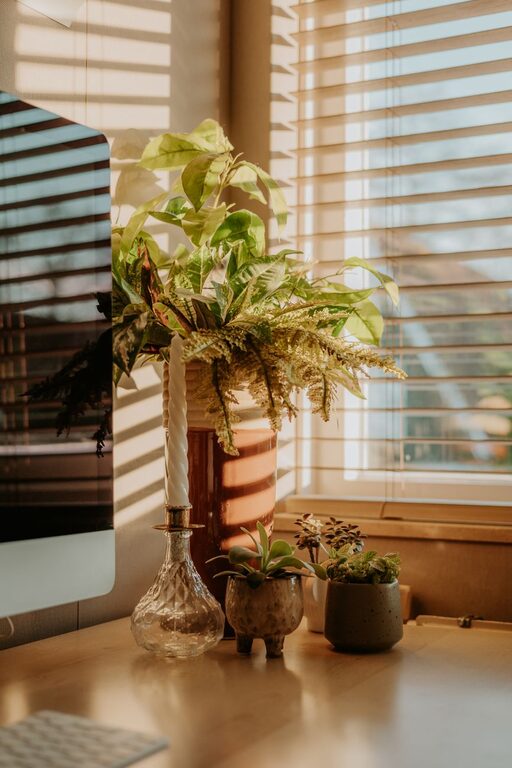
Adding personal touches makes your office feel inviting. Incorporate elements like plants, artwork, or photos that inspire you. Plants not only add color but can improve air quality and reduce stress.
Choose decorations that motivate you but avoid overcrowding the space. Keep it simple and purposeful to maintain a balance between coziness and professionalism.
Manage Noise and Distractions
If noise is a problem, consider soundproofing options such as rugs, curtains, or wall panels to absorb sound. Noise-cancelling headphones can also be an effective tool to stay focused.
Set boundaries with household members during work hours and designate specific times for breaks. This helps minimize interruptions and keeps you on track.
Create an Efficient Tech Setup
A reliable internet connection and properly set-up technology are crucial for productivity. Organize cables with clips or sleeves to avoid tangled wires.
Invest in a good quality monitor, keyboard, and mouse for comfortable and efficient use. Test your equipment regularly to prevent frustrating technical issues during important tasks or meetings.
Incorporate Break Areas
Even a small home office can benefit from a dedicated spot to step away from the desk. A comfy chair or a small sofa nearby encourages breaks to stretch and relax, which can recharge your focus.
Taking short, regular breaks has been shown to increase overall productivity and prevent burnout.
Maintain a Consistent Routine
Finally, keeping a routine helps your mind distinguish work mode from home mode. Set regular working hours, schedule tasks, and take breaks at consistent times.
At the end of the day, turn off your devices or close your laptop to signal the end of the work period. A consistent routine improves work-life balance and helps maintain motivation over time.
—
Designing a cozy and productive home office doesn’t require a large budget or extra space. With thoughtful planning and the right setup, you can create an environment that supports your work goals and feels like a pleasant place to be. By choosing the right location, investing in comfort, managing distractions, and personalizing your space, you’re well on your way to making working from home a more enjoyable and effective experience.